You have just fried a batch of pakoras. There is close to half a litre of oil left in the karahi, still hot, a little cloudy, with crumbs of besan sitting at the bottom. Throwing it away feels wasteful. Pouring it back into the bottle feels wrong. Most kitchens end up doing something in between: the pan sits on the stove until Thursday, and whatever is in it gets used again.
Reusing cooking oil is not the problem. Oil is expensive, and professional kitchens reuse it all day long. The problem is that used oil breaks down, and once it has gone past a certain point it starts making your food taste bad and smoke early. The good news is that the signs are easy to read once you know what to look for.
What frying actually does to your oil
Three things attack oil in a pan: heat, air and water. Every minute the oil sits hot, it oxidises — oxygen from the air reacts with the fat and slowly changes it. Heat speeds this up sharply. Oklahoma State University Extension notes that pushing frying temperature from 325°F to 350°F (roughly 163°C to 175°C) “more than doubles the oxidation reaction rate”. So oil left bubbling at high heat while you shape the next batch is ageing faster than oil doing actual work.
Water is the second attacker, and food is mostly water. Every potato slice and chicken piece you drop in releases moisture that stresses the oil. Salt and masala make it worse, and so do batters with sugar in them.
The third is debris. Loose crumbs of besan or breadcrumb sink, sit on the hot base and scorch. Those burnt particles then flavour everything you fry afterwards, and they keep degrading the oil between uses.
Smoke point, and why it drops each time
Smoke point is simply the temperature at which oil starts visibly smoking. Harvard Health puts most cooking oils between 400°F and 500°F, which is roughly 205°C to 260°C, and describes what happens past it: high heat “causes molecules in oils to break apart, burn, become bitter, lose nutrients, and release smoke.”
The part that matters for reuse is that this temperature is not fixed. A well-used oil, full of broken-down fat and food particles, starts smoking sooner than the fresh oil from the same bottle. If your oil is hazing over at a heat that was fine last month, that is the oil telling you it is near the end.
This is also why the oil in the bottle and the oil in your pan should be judged differently. Extra virgin olive oil and sesame oil have low smoke points and are better used for drizzling than for deep frying at all. Canola, sunflower, peanut, corn and soybean oil all sit comfortably in the deep-frying range.
How to store cooking oil you plan to reuse
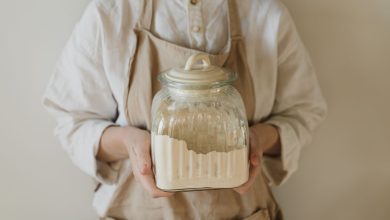
If you plan on reusing cooking oil, how you store it between uses decides how many rounds you get. The US Department of Agriculture’s food safety service gives a clear routine: strain the oil through cheesecloth or a fine sieve, then store it “in a sealed and light-proof container for up to 3 months”, and refrigerate it if you want the best quality. You can read the USDA FSIS deep fat frying guidance in full.
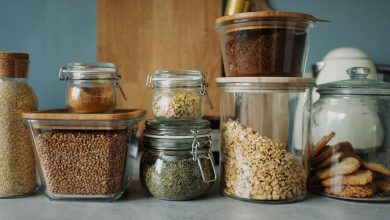
Every part of that has a reason. Straining removes the crumbs that would keep burning. Sealing keeps oxygen out. Light-proof matters because sunlight speeds up the same breakdown — which is why a clear plastic jug on a sunny kitchen shelf is the worst possible home for it.
In a Karachi or Multan summer, a cupboard is not cool. If you have space in the fridge, use it. Refrigerated oil may turn cloudy or semi-solid; that is normal for many oils and it clears as the oil warms. Let it cool completely before you strain and pour, and use a glass jar or steel container rather than a thin plastic bottle.
The signs that mean throw it out
FSIS says to discard oil that has become clouded, or that “starts to foam or has a foul odor, taste, or smell.” In a home kitchen those show up as:
- Foaming. Not the normal bubbling around food, but a persistent layer of fine foam across the surface.
- A dark, syrupy look. Fresh oil runs off a spoon quickly. Heavily used oil moves thickly and clings.
- Smell. Old oil smells sharp and stale rather than nutty. Trust your nose over the calendar.
- Early smoking. Smoke at a heat that used to be fine.
- A sticky film. That varnish-like layer on the pan and around the handle comes from oil that has been pushed too far.
Any one of these is enough to stop reusing cooking oil from that jar. Oil that has been through fish, or through anything heavily spiced, also carries that flavour into the next dish no matter how clean it looks — keep a separate jar for fish oil, or accept that it is a one-round oil.
Keep the temperature right and you use less oil
Frying too cool is the mistake that quietly costs you money, because food sits in the oil absorbing it instead of sealing quickly. FSIS lists 375°F for chicken pieces (about 190°C), 350°F for chicken fingers (about 175°C), and 320°F for fish fillets and shrimp (about 160°C). A cheap kitchen thermometer settles the argument in a way that flicking water into the pan never will.
Fry in smaller batches, too. Crowding the karahi drops the temperature hard, and the oil takes longer to recover.
After you finish frying
Refrigerate fried leftovers within two hours, or within one hour if the room is above 90°F (32°C) — which covers most Pakistani afternoons from May to September. If the power went out while food was sitting in the fridge, our guide on what to keep and what to bin after load shedding covers the timings.
When the oil is finally finished, do not pour it down the sink. It cools, congeals and builds up in the drain, and the blockage costs far more than the oil ever saved you. Pour it into an empty bottle, cap it, and put it in the bin.
Sources: USDA Food Safety and Inspection Service, Oklahoma State University Extension, Harvard Health Publishing.
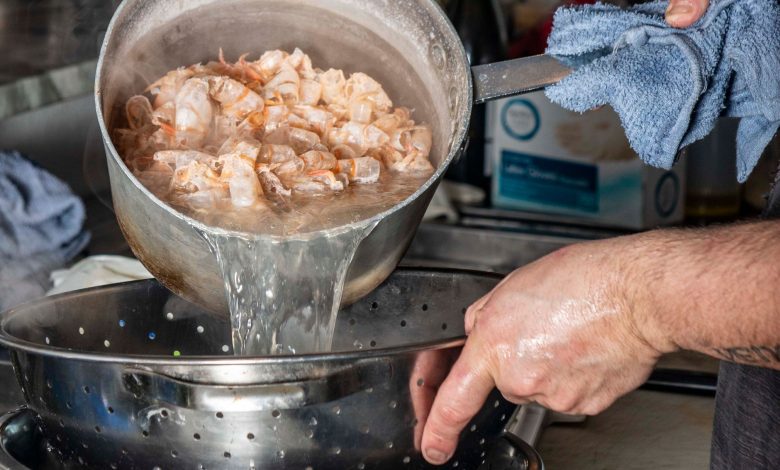
Photo by Derwin Edwards on Pexels