You open the masala dabba and everything looks right. The haldi is still yellow. The zeera still smells like zeera when you put your nose close. But the salan you cooked last night tasted flat, and you used the same amounts you always use.
Nothing in that box has spoiled. It has gone quiet — and that is the part most kitchens miss about how to store spices. Spices rarely rot. They fade. Their flavour sits in volatile oils, the aromatic compounds that evaporate easily, and those oils slip away through heat, light, air and damp until what is left is coloured powder that does very little in a pot.
What is actually leaving the jar
Grind a coriander seed and you tear open thousands of microscopic oil cells at once. That is why freshly ground masala smells so loud across the whole kitchen, and why it does not stay loud. Once those cells are broken, the oil is exposed and it starts drifting off.
Nothing stops this completely. Storing spices well is about slowing it down: keeping the jar cool, dark, closed and dry for as long as you can manage.
Where to store spices in a hot kitchen
The worst spot in the house for a spice rack is the one almost everybody uses — the wall beside the cooker, or the cabinet directly above it.
Every time you cook, that patch of wall heats up. Over a summer in Lahore or Karachi, with the stove running twice a day in a kitchen that was already warm before you lit it, that shelf spends months well above room temperature. Warm oils leave faster.
So move the masalas to the coolest cupboard you have — internal if possible, away from the cooker and the window, and never against a wall that takes the afternoon sun. This change costs nothing and does more for your food than any jar you could buy.
Light finishes what heat starts
Clear glass jars on an open shelf look wonderful. They are also the second-quickest way to flatten a spice collection.
Sunlight breaks down the same compounds that carry aroma, and strips colour along the way. Red chilli powder is the obvious casualty: leave it in clear glass on a bright shelf and watch deep red turn to a tired orange.
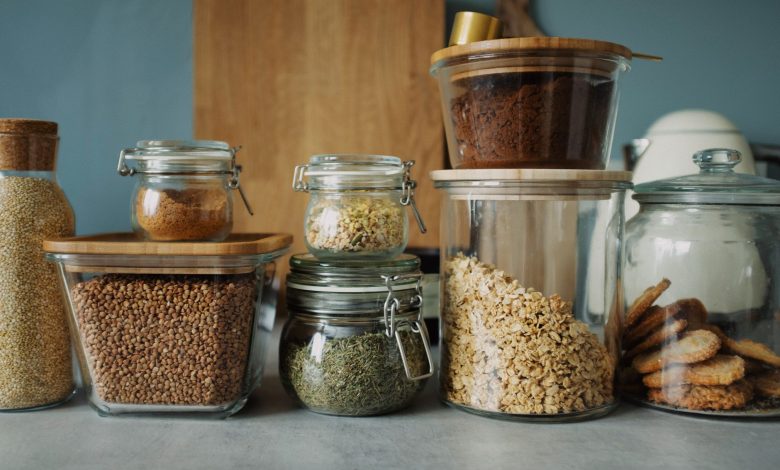
If you like the look of glass, keep the jars behind a cupboard door. If you want them on the counter, use tins, ceramic or dark glass instead. The old steel masala dabba is doing precisely the right job: no light gets in, and the outer lid puts one more barrier between your spice and the room.
Air, and why the big bag is a trap
A kilo of haldi from the masala shop is cheaper per kilo. It is not cheaper per meal you enjoy, because most of that bag will be dull long before you reach the bottom.
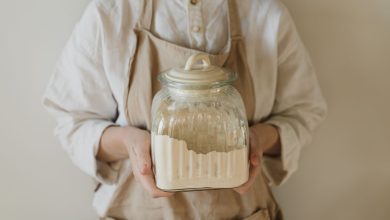
There is a way to have both. Buy the large quantity, decant a few weeks’ worth into a small working jar, and keep the rest sealed at the back of a cupboard. The working jar absorbs all the opening and closing. The reserve sits untouched in the dark.
Fill your jars reasonably full, too. A half-empty jar is half air, and that air carries oil away every time you open it.
The steam mistake almost everyone makes
If you break one habit today, break this one: shaking spice straight from the jar into a pot that is on the flame.
Steam rises, and it goes into the jar you are holding over it. Once moisture is inside, the powder clumps — and damp powder is the one situation where spices genuinely spoil instead of merely fading. A jar steamed into a few dozen times can grow mould.
Measure into your palm or a spoon, well away from the pot. Use a dry spoon every time; the one that just went into the dahi does not go into the garam masala. In humid coastal air this matters more, not less.
Whole spices outlast ground ones
If you upgrade one thing about how you store spices, make it this. Whole zeera, dhania, elaichi, cloves and black pepper keep their oils sealed inside the seed. Ground versions of the same spices have every surface exposed from the day they were milled.
Buy whole where you reasonably can, and grind small amounts as you need them — a cheap coffee grinder kept only for spices works, and so does a sil batta. Garam masala is the strongest case for this: a blend goes flat noticeably faster than the whole spices that went into it.
Some things you will keep buying ground, and that is fine. Haldi is difficult to grind at home and chilli powder is rarely worth the effort. Buy those two in smaller amounts, more often.
How to tell a spice is finished
There is no date on the packet that answers this, and the appearance of the powder tells you very little.
Use your nose. Take a pinch, crush it in your palm to warm it, and smell it immediately. A living spice reaches you at once. A dead one smells faintly of dust, or of the cupboard it lived in. If you have to hunt for the smell, it will not do anything in your food either.
Colour is a useful second check for chilli and haldi — faded colour usually means faded flavour. Anything clumped, damp-smelling or visibly growing goes in the bin, not the pot.
Small habits that hold it together
Write the month on the jar when you fill it — not as an expiry date, just so you can see that the dhania powder has been sitting there since last winter.
Keep daily spices at the front of the dabba, and the occasional ones, the kewra and the whole jaifal, sealed at the back.
When something has gone flat, throw it out rather than doubling the quantity to compensate. Twice as much dead spice gives you more dust, not more flavour.
For the rest of your shelf, Penn State Extension’s guide to storing staple ingredients in the kitchen applies the same thinking to flour, oil and grains. If you dry your own podina or curry patta, the National Center for Home Food Preservation’s notes on drying herbs are worth following closely — herbs jarred with any moisture still in them will not keep.
Get this right and you will taste it within a week. Same recipe, same measurements, and the food tastes the way you remember it tasting. For more kitchen and food writing, keep an eye on News Parho.
Photo by ready made on Pexels