On a used petrol car you listen to the engine, check the service book, and look for oil where oil should not be. On an electric car, however, performing a thorough used EV battery check is close to the whole job. There is no clutch to slip, no timing belt to snap, and no exhaust to rot through, but the high-voltage battery represents the single largest share of the car’s replacement value.
Unlike an internal combustion engine, lithium-ion packs degrade gradually from the day they are manufactured. Assessing health and remaining capacity before handing over money is essential to avoid inherited replacement bills. For maintenance guides, see our automotive troubleshooting guides.
Ask for the State of Health (SoH) in Writing
State of Health, usually abbreviated as SoH, is the battery’s current usable capacity expressed as a percentage of what it held when brand new from the factory. It is the single most useful metric in the transaction, and often the number private sellers and dealerships are least enthusiastic about volunteering.
Ask for it in writing along with complete service logs. A seller who has documented battery diagnostics and shares them willingly gives you immediate peace of mind. A seller who refuses, or who brushes off the question with “the battery is fine,” is waving a red flag.
What Counts as Normal Battery Degradation?
When conducting a used EV battery check, remember that some capacity loss is normal chemical aging, not a mechanical fault. Automotive industry benchmarks place typical pack degradation at roughly 1% to 2% of original capacity per year. A three-to-four-year-old EV showing an 88% to 92% SoH is behaving normally.
If health drops below 80% on a relatively young vehicle, investigate why. Frequent use of 150kW+ DC fast chargers, prolonged storage at 100% state-of-charge in summer heat (common in southern Pakistan or hot desert climates), or cell imbalance may be to blame.
Four Ways to Perform a Used EV Battery Check
- 1. The Manufacturer’s Companion App: Most modern EV makers (Tesla, BYD, Hyundai, Nissan) feature companion smartphone apps that display live State of Charge (SoC), lifetime charging history, and diagnostic codes. Ask the seller to open the app. A history dominated by Level 2 home AC charging means the pack has endured significantly less thermal stress than one charged exclusively at commercial DC stations.
- 2. Real-World Full Range Calculation: Charge the vehicle to 100% and compare projected dashboard range against the original tested range when the vehicle was new. Note that NEDC or CLTC laboratory ratings are often overly optimistic compared to real-world driving cycles. Compare against real owner forum averages.
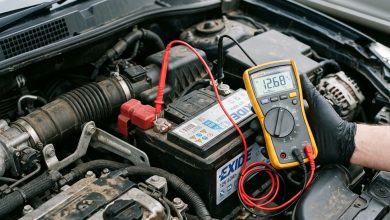
- 3. Independent OBD-II Diagnostic Scan: Take the vehicle to an EV-specialist workshop equipped with an OBD-II dongle and dedicated diagnostic software (such as LeafSpy, OBD Amps, or manufacturer-specific scan tools). This reads individual cell voltages, temperature sensor health, and BMS (Battery Management System) logs.
- 4. Factory Battery Warranty Verification by VIN: Most EV manufacturers provide dedicated 8-year / 160,000 km battery warranties guaranteeing at least 70% retention. Verify with the authorized importer or dealer using the vehicle’s 17-digit VIN to ensure the warranty transfers to subsequent owners.
Secondary Hardware to Inspect on a Used EV
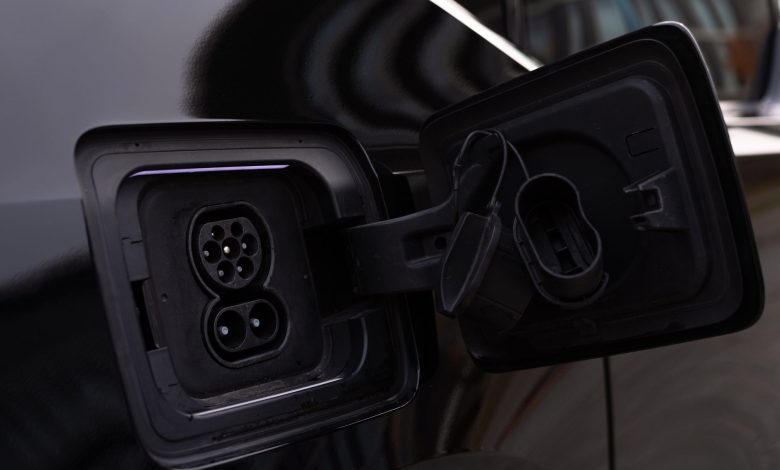
- Onboard Charger and Cables: Inspect the Type 2 / CCS charging socket pins for pitting or heat discoloration. Ensure the supplied mobile emergency charger works properly.
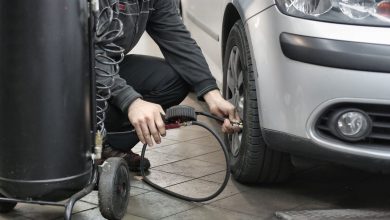
- Tyre Condition and Wear: Electric vehicles deliver instant torque and weigh 20% to 30% more than equivalent petrol cars, accelerating tyre wear. Verify tread depth and check our guide on wheel alignment and high-speed vibration.
- Brake Rotor Corrosion: Because regenerative braking handles routine deceleration, traditional friction brake calipers and pads are underused and prone to rust in humid climates.
- HVAC and Heat Pump Performance: Cabin climate control draws power directly from the traction battery. Ensure the heat pump or resistance heater engages rapidly without throwing warning lights.
Summary: When to Walk Away
Walk away if a seller refuses an OBD-II diagnostic battery health test, if range falls dramatically below reasonable seasonal expectations, or if the factory battery warranty has been voided. Purchasing an electric car with a documented, healthy battery guarantees low operating costs and exceptional reliability for years to come.