



On a used petrol car you listen to the engine, check the service book and look
for oil where oil should not be. On a used electric car, most of that ritual is
irrelevant. There is no clutch to slip, no timing belt to snap, no exhaust to
rot through.
What there is, instead, is a battery that represents a very large share of the
car’s value — and unlike an engine, it degrades quietly and predictably from the
day it is built. Assessing that battery is close to the whole job.
Ask for the state of health, in writing
State of health, usually written as SoH, is the battery’s current usable
capacity expressed as a percentage of what it held when new. It is the single
most useful number in the transaction, and it is the number sellers are least
enthusiastic about volunteering.
Ask for it in writing, along with any battery service history. A seller who has
it and shares it is telling you something. A seller who refuses, or who waves
the question away with “the battery is fine”, is also telling you something.
What counts as normal
Some loss is not a defect, it is chemistry. Industry guidance puts typical
degradation at roughly one to two percent of capacity per year, which means a
three or four year old car sitting in the mid-eighties to low-nineties is
behaving as expected.
Below about eighty percent on a car of that age, something unusual has happened —
heavy use of DC fast charging, long periods parked at full charge in heat, or a
genuine fault — and it is worth finding out what before you commit.
Two important caveats for buyers here. First, heat is hard on batteries, and a
car that has spent its life in Karachi or Multan has had a harder time than the
same model in a cooler climate. Second, the manufacturer’s brochure range is the
wrong baseline for the arithmetic below.
Four ways to actually check it
The manufacturer’s app. Most brands have an owner app showing state of
charge, projected range at full charge, charging history and any stored
diagnostic warnings. Ask the seller to open it in front of you. Charging history
is genuinely revealing: a car that has lived on DC fast chargers has had a
harder life than one trickle-charged at home overnight.
A real-world range test. Charge to one hundred percent and compare the
projected range the car reports against what that model showed when new. The
ratio gives you a rough state of health.
Be careful with the baseline. Most EVs sold across Pakistan and the wider region
quote NEDC or CLTC figures, and both are measured under gentler conditions than
the American EPA cycle — they read high, sometimes considerably. If you compute
degradation against an optimistic brochure number you will conclude the battery
is shot when it is fine. Compare against what the same model actually delivered
when new, which owner forums will tell you faster than any specification sheet.
An independent inspection. An EV-focused workshop with a proper OBD-II
diagnostic tool can read battery health and check the high voltage system.
This is the step most buyers skip and the one that most often pays for itself.
If nobody near you offers it, that is a real risk factor to price in — for some
imported brands the service network is thin, and a battery or inverter problem
becomes an expensive, slow problem.
The warranty, verified by VIN. Battery warranties usually specify a capacity
threshold, not just a time limit — cover if capacity drops below a stated
percentage within a stated period. Get the remaining coverage confirmed in
writing against the specific vehicle identification number, and confirm it
transfers to you as second owner. Some do not.
Then check the boring things
The battery dominates, but not exclusively:
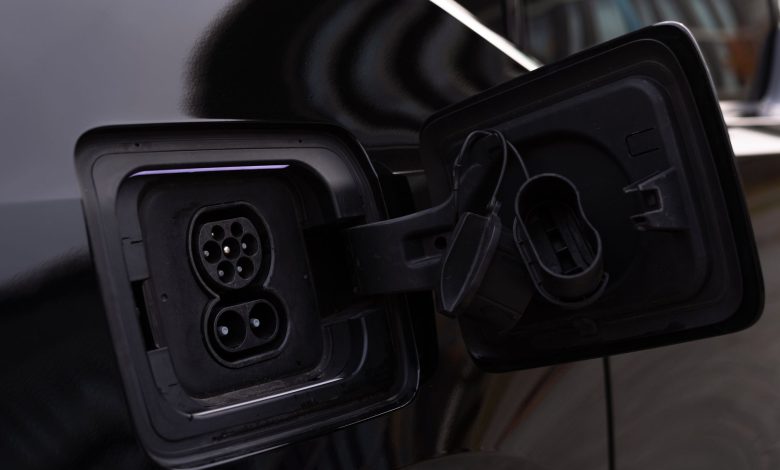
- Charging hardware. Test the port and the cable. Bring your own if you can.
- Home charging reality. Confirm what the car needs and what your house can
supply. A single-phase connection and an older distribution board may need
work before a wall box is safe, and that cost belongs in your budget. - Tyres. EVs are heavy and quick off the line, and they eat tyres. A set is
a real expense. - Brakes. Regenerative braking means the friction brakes do less work, which
sounds good until you find discs that have been corroding gently for years. - Software. Ask when it was last updated and whether updates still come.
- Air conditioning. In this climate, non-negotiable, and it draws from the
same battery you have just been assessing.
What to walk away from
No state of health figure and no willingness to get one. A range test that comes
back far below what the model should do, with no explanation. A warranty that
has expired or does not transfer. A brand with no serviceable presence within a
sensible distance.
Any single one of those is a negotiating point. Two or more, on a car whose most
expensive component you cannot independently verify, is usually a reason to keep
looking.
The used EV market rewards buyers who ask precise questions, because so few do.
The number you want is a percentage, you should get it in writing, and everything
else in this list is cheaper than finding out later.
Photo by Vitali Adutskevich on Pexels


